

Food in India has always carried meaning beyond hunger. It has been shaped by family routines, regional traditions, religious practices, and shared memories.
For generations, meals followed a predictable rhythm. Breakfast at home, lunch packed or served, dinner with family. Eating out was reserved for celebrations or special occasions.
That rhythm is now changing.
Across cities and neighbourhoods, Millennials and Gen Z are quietly redefining how India eats. This change is not driven by one trend or one cuisine.
It is the result of lifestyle shifts, evolving priorities, global exposure, digital habits, and a growing desire for balance. Together, these forces are reshaping India’s changing food culture in ways that feel subtle yet deeply transformative.
Why India’s Food Culture Is Changing So Rapidly
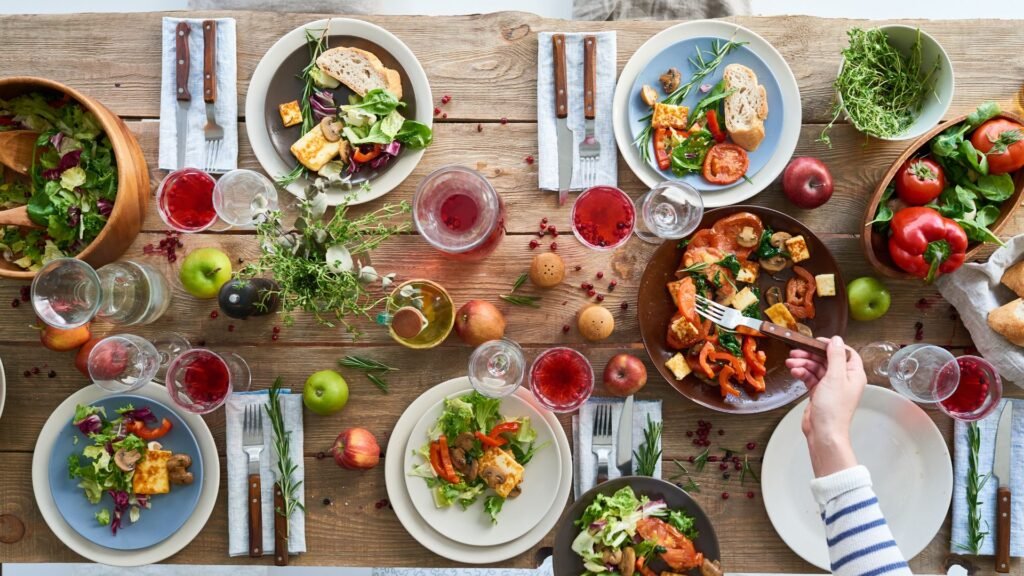
The speed at which India’s food culture is evolving can be traced to lifestyle changes over the past 10–15 years. Younger generations grew up in a world very different from that of their parents.
Work hours are longer and more flexible. Commutes are unpredictable. Nuclear families and solo living are more common.
Exposure to global food trends happens daily through social media, travel content, and online communities. Technology has also removed friction from eating, making food available at any hour with just a few taps.
But convenience alone does not explain the shift. Millennials and Gen Z are not simply eating faster. They are eating differently, with more intention around comfort, health, variety, and experience. India’s changing food culture reflects this deeper evolution in how food fits into daily life.
How India’s Food Culture Looked Before vs Today
To understand the transformation, it helps to compare how food habits once looked versus how they look now.
Earlier, meals were largely time-bound and routine-driven. Breakfast was light and functional. Lunch and dinner were heavier, often home-cooked, and followed regional patterns.
Eating out was an event. Menus were limited, portions were large, and experimentation was minimal.
Today, eating is flexible and mood-driven. Meals happen when time allows. Breakfast can be indulgent, light, or skipped altogether. Lunch might be a bowl, a sandwich, or a plated meal at a café. Dinner could be shared plates, a single balanced dish, or a quiet solo meal outside.
This shift from routine to choice is a defining feature of India’s changing food culture.
How Millennials Changed India’s Food Culture

Millennials were the first generation to challenge traditional food routines at scale. As they entered the workforce and urban living, they began redefining eating patterns.
They normalised cafés as everyday spaces rather than occasional treats. Brunch culture gained popularity. Coffee became a lifestyle category, not just a beverage. Eating out during weekdays felt acceptable, even necessary.
Millennials also embraced global cuisines early. Pasta, wraps, salads, rice bowls, and international comfort foods became part of regular diets.
At the same time, they sought familiarity. Dishes still needed to feel filling, balanced, and comforting.
This generation laid the foundation for modern Indian dining by blending convenience with comfort and introducing flexibility into food habits.
How Gen Z Is Pushing Food Culture Further
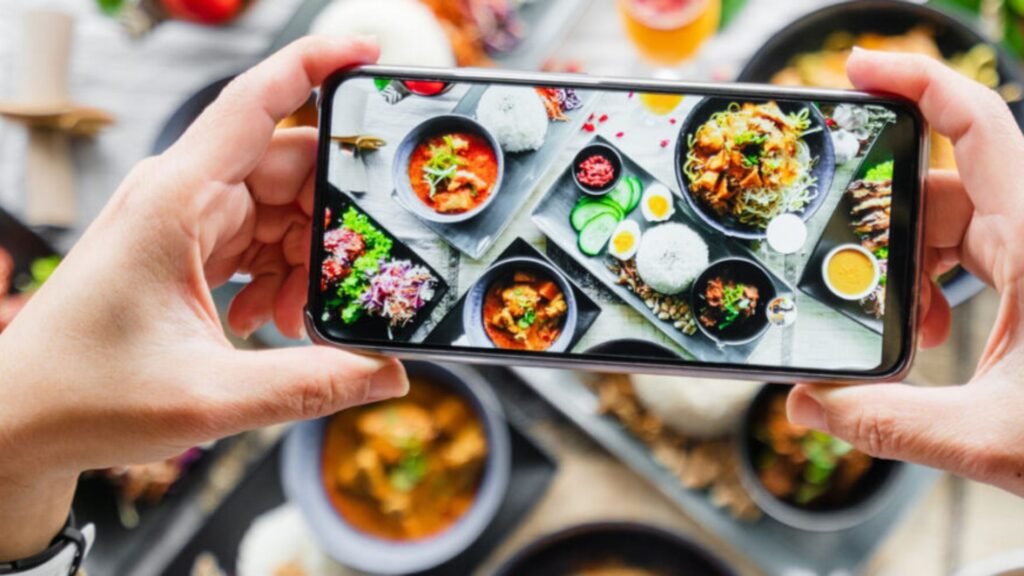
Gen Z is taking this evolution a step further. Having grown up with smartphones, delivery apps, and visual-first platforms, their relationship with food is more fluid and expressive.
They prefer smaller, well-structured meals over heavy portions. They snack intentionally. They care deeply about presentation, texture, and how food makes them feel. Eating alone in public spaces feels normal. Food becomes both personal and social.
Gen Z also places a stronger emphasis on wellness. Not extreme dieting, but balance. Protein-rich bowls, lighter breakfasts, plant-forward meals, and thoughtful indulgence appeal to them.
For this generation, India’s changing food culture is about alignment between food and lifestyle.
Global Curiosity with Local Comfort
One of the most visible shifts in India’s changing food culture is the openness to global flavours. Millennials and Gen Z explore cuisines from around the world, but they rarely abandon comfort entirely.
Instead, they gravitate toward food that blends familiarity with novelty. Global techniques paired with Indian ingredients. International flavours adapted to local palates. Fusion that feels natural, not forced.
This balance explains why comfort remains central even as menus diversify. The food must still feel grounding. Familiar textures, warm flavours, and recognisable formats matter. The success of modern comfort dining lies in this careful balance between exploration and reassurance.
Health, Balance and the Rise of Mindful Eating
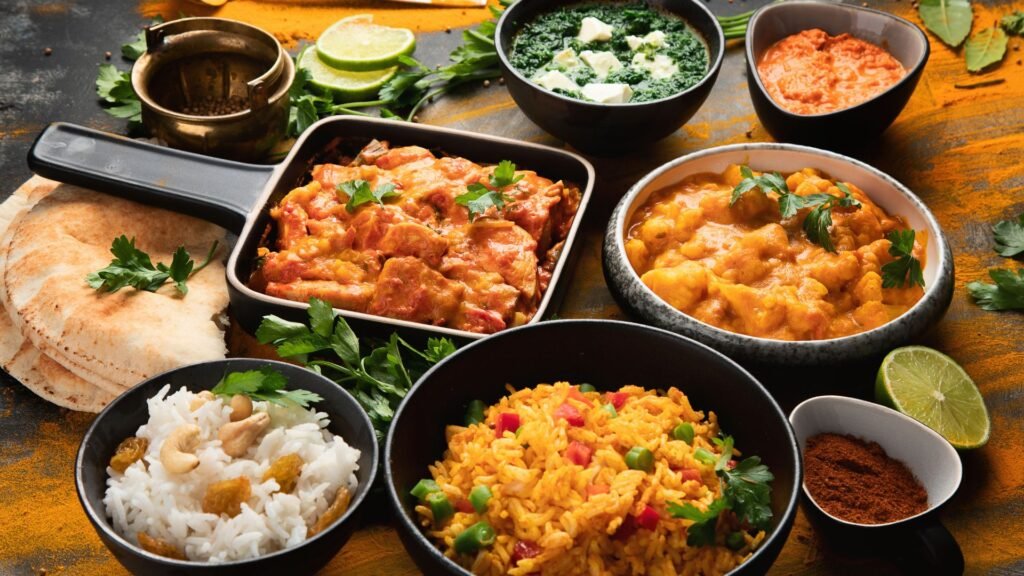
Health awareness has moved from the margins to the mainstream. Younger Indians think about food beyond calories. They consider ingredients, portion sizes, digestion, and energy levels.
This shift has changed how meals are designed. Salads are now complete meals. Bowls combine grains, vegetables, and proteins thoughtfully.
Breakfast menus offer options that support different lifestyles, from indulgent pancakes to smoothie bowls.
Desserts are no longer about excess. They are about quality, texture, and satisfaction. Even indulgence is measured. This approach reflects a mature understanding of wellness within India’s changing food culture.
New Eating Patterns Shaping India’s Changing Food Culture
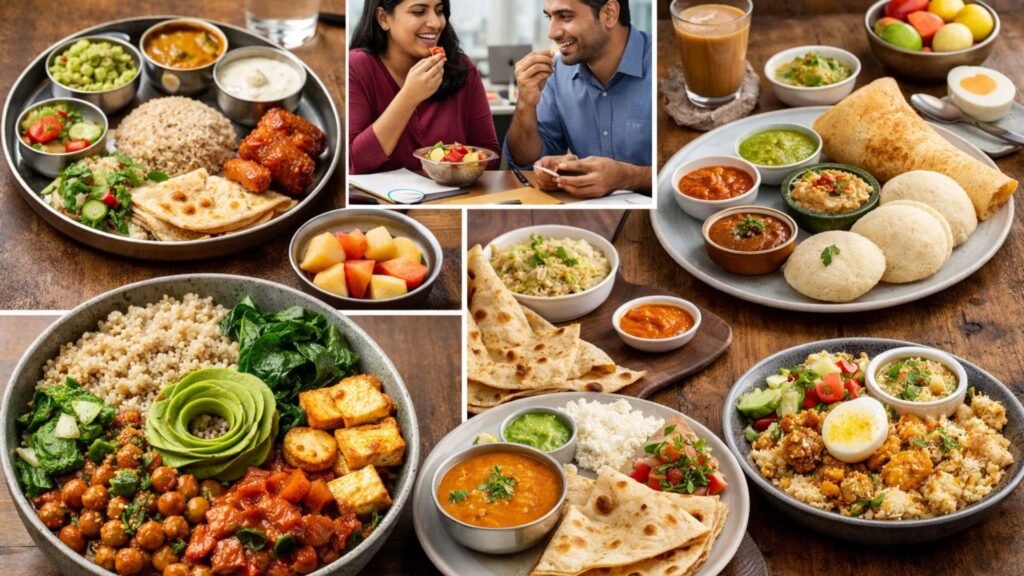
Modern Indian eating habits reveal clear behavioural patterns.
Meals are smaller and more frequent. People prefer structured plates over endless snacking. Breakfast has become a category of its own, no longer rushed or ignored. Bowls, flatbreads, and single-dish meals dominate menus.
There is also a growing preference for food that feels complete but not overwhelming. Balanced portions, thoughtful plating, and clean flavours create a sense of order in busy days.
This return to structured meals is one of the quieter yet most important shifts in India’s changing food culture.
Food as Lifestyle, Identity and Everyday Experience
Food is no longer just nourishment or celebration. For Millennials and Gen Z, it is part of daily identity. Where they eat, how food looks, and how it fits into their routine matters.
Cafés and neighbourhood eateries have become extensions of personal space. People work, read, meet friends, or simply pause over meals.
Dining out is not about formality. It is about comfort, consistency, and feeling at ease.
Social media plays a role in discovery, but the experience itself must hold value beyond the camera. This lifestyle-driven approach defines modern Indian dining.
The Return of Plated, Structured Meals
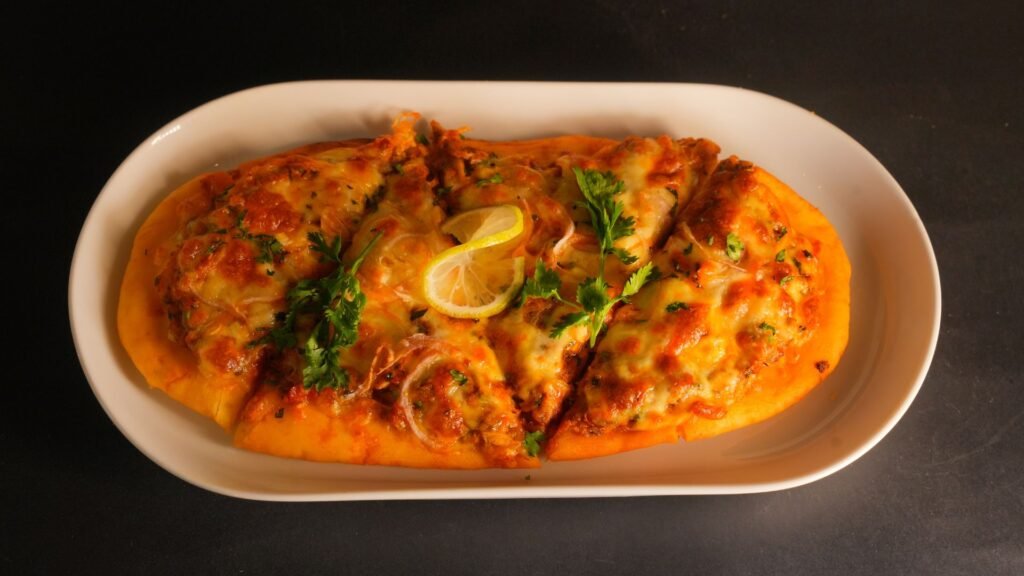
Interestingly, amid all the flexibility, structured plated meals are making a strong comeback. After years of casual snacking and unstructured eating, many young diners seek the reassurance of a well-composed plate.
A plated meal signals care. It offers balance, completeness, and a sense of pause. In India’s changing food culture, this return to structure reflects a deeper desire for calm and intentionality in everyday life.
A Real-World Reflection of This Shift: Platesman, Bavdhan
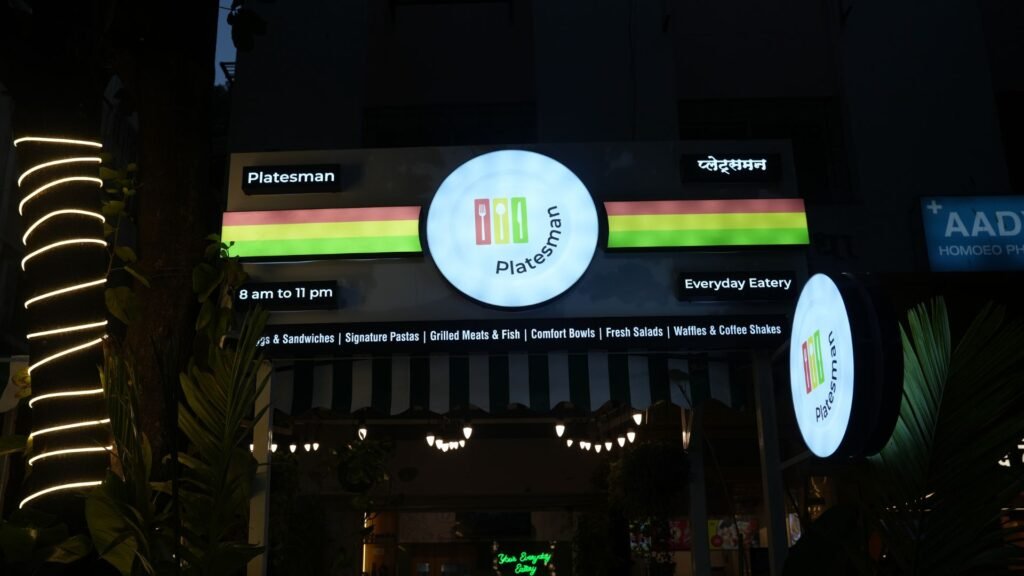
In Bavdhan, Pune, one eatery captures this evolving food philosophy with clarity and restraint. Platesman Everyday Eatery positions itself as a modern comfort bistro for people who want plated food that fits naturally into daily life.
Rather than chasing trends or overwhelming diners with complexity, Platesman focuses on balance. The experience encourages slowing down and connecting with food that feels familiar, warm, and thoughtfully prepared.
Comfort Without Complication
Platesman’s approach reflects the values shaping India’s changing food culture. Comfort without heaviness. Refinement without pretension. Global influence without confusion. Structure without rigidity.
The calm ambience, balanced portions, and plated presentation resonate with young professionals, families, students, and solo diners alike. It fits seamlessly into Bavdhan’s evolving neighbourhood dining culture.
A Neighbourhood Space for the New Food Generation
Located on NDA Road, opposite Hotel Oliva, Platesman serves as an accessible everyday destination. Whether it’s breakfast, lunch, an early dinner, or a quiet coffee break, the experience remains consistent and grounded.
In many ways, Platesman represents the direction India’s food culture is heading. Thoughtful, balanced, calm, and rooted in everyday comfort.
A Menu Designed Around Real Eating Patterns
The menu is organised in a way that mirrors how Millennials and Gen Z choose food today:
- Breakfast plates for early starts
- Smoothie bowls for lighter mornings
- Small Plates for sharing or snacking
- Big Plates for structured, comforting meals
- Naanza and Flatbreads for flavour-forward dining
- Salads treated as full meals
- Toasts and sandwiches for work-friendly portions
- Pancakes for indulgent beginnings
- Desserts that end the meal on a refined note
- Hot and cold beverages crafted to match different moods
The variety isn’t chaotic. It’s intentional and intuitive. Every section feels like a natural category in modern eating patterns.
What the Future of India’s Food Culture Looks Like

Looking ahead, India’s changing food culture will likely continue in this direction.
More neighbourhood bistros will replace large destination-only restaurants. Menus will become clearer and more intuitive. Comfort will be prioritised over excess. Global flavours will be adapted thoughtfully. Wellness will remain central but flexible.
Food will increasingly be designed to support daily life rather than interrupt it.
India’s Food Culture, Reimagined
India’s changing food culture is no longer about excess or formality. It is about balance, clarity, and connection. And this evolution is already well underway, one thoughtful plate at a time.
Millennials and Gen Z are not rejecting tradition. They are reshaping it into something more flexible, balanced, and expressive. Their choices are influencing menus, cooking styles, restaurant concepts, and even how people talk about food.
If the previous generation shaped India’s food with routine, the current one shapes it with intention. And eateries like Platesman show how beautifully this evolution can come to life.


