
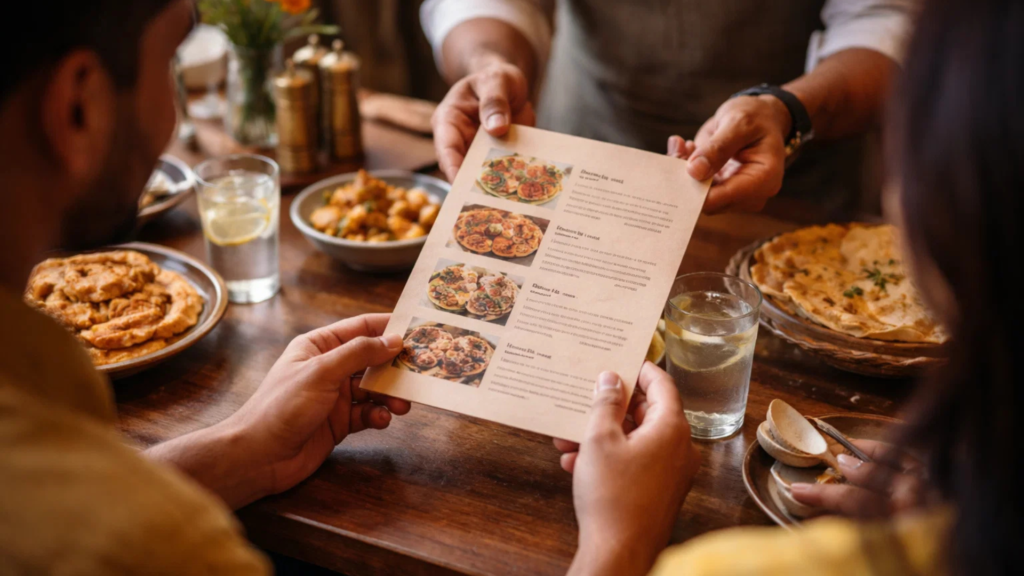
Walk into a restaurant in India today, and you may notice something curious. Some places still have menus that span dozens of pages, while others offer fewer choices, but every one feels considered and intentional.
Despite decades of believing that “more is better”, diners are increasingly choosing restaurants with smaller, structured menus.
This shift is not just a passing trend. It’s the result of deeper changes in how people discover, choose, and experience food. From decision overload to rising demand for quality and clarity, smaller menus are quietly reshaping India’s dining culture.
Before we go deeper, quick check-in (interactive):
Which type of restaurant menu frustrates you more?
A) Too many choices with vague descriptions
B) Limited options that all look clear
C) Somewhere in between
Keep your pick in mind as you read,by the end, you’ll see which choice aligns more with broader trends.
The Complexity Problem: Too Many Choices, Too Little Clarity
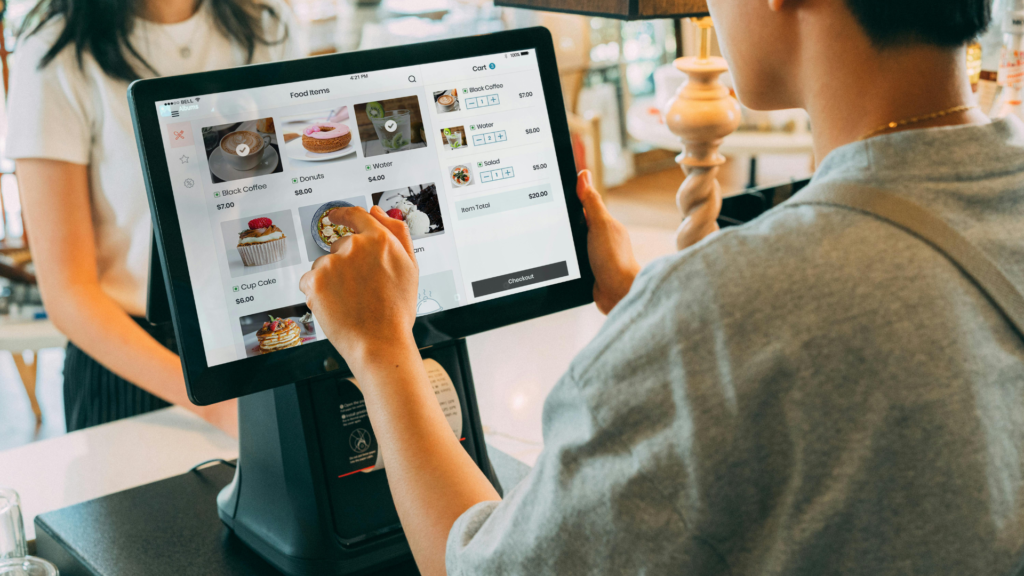
Large menus may seem like a good idea,they promise something for everyone. But psychology tells us a different story.
When diners face too many options, they often experience decision fatigue a subtle mental overload that makes choosing harder, not easier.
Research in behavioural science suggests that humans can only process a limited number of options before it becomes stressful rather than enjoyable. In the context of restaurants, this often leads to:
- Uncertainty about taste or portion sizes
- Longer ordering times
- Regret or dissatisfaction after the meal
- Indecision in group settings
All of this works against the pleasure of eating. Smaller, structured menus reduce noise and help diners decide confidently. Instead of browsing aimlessly through dozens of dishes, diners can quickly understand what’s “special” about each item.
Diners who choose smaller menus appreciate the clarity they want to know what each dish delivers, not guess at it.
The Quality Advantage: Focused Menus, Better Execution
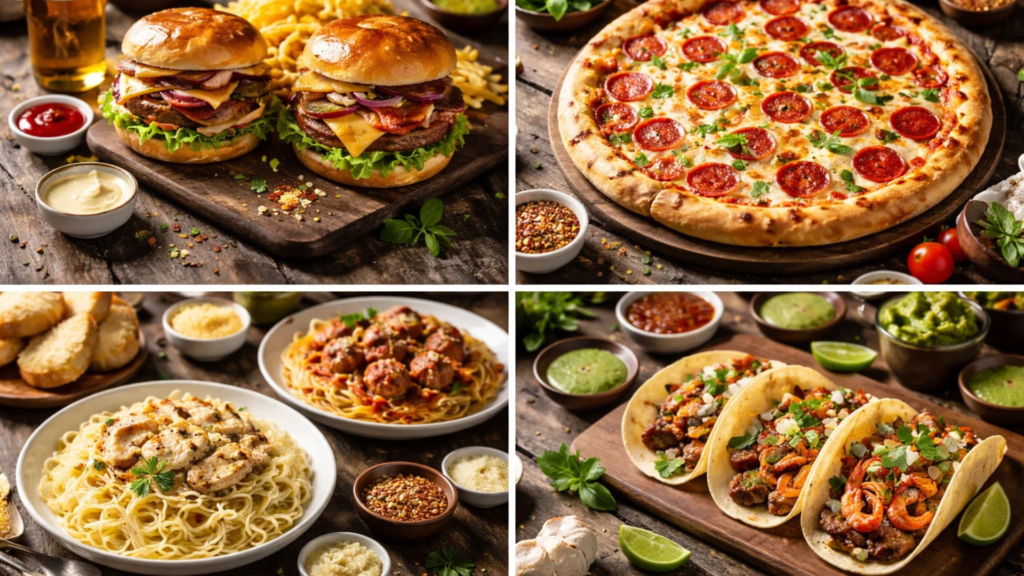
One major reason smaller menus are becoming popular in India is quality consistency. When a kitchen tries to prepare too many dishes, several things can happen:
- Staff proficiency spreads thin
- Ingredients can be overstretched
- Signature dishes lose their shine
- Presentation becomes inconsistent
In contrast, when a restaurant limits its offerings, the kitchen becomes expert at preparing each dish with precision. Chefs can refine flavours, control plate presentations, and ensure that repeat customers have reliable experiences every time.
For modern Indian diners, particularly Millennials and Gen Z, reliability matters. A smaller menu with clear describe-and-deliver items signals confidence.
Diners are increasingly willing to pay a premium for a dish that is consistently excellent, rather than gamble on multiple mediocre ones.
Faster Decisions, Happier Diners
Smaller menus enable faster decision-making. When diners can make choices quickly, restaurants benefit in more ways than one. Faster ordering often means:
- Better table turnover
- Shorter wait times
- Higher customer satisfaction
- More accurate kitchen timing
- Better staff efficiency
In India’s fast-moving urban environments like Pune, Bangalore, and Mumbai, time is as valuable as taste. Diners don’t want to spend an uncomfortably long time scanning an overwhelming list of dishes. Instead, they want food that feels considered and accessible, without friction.
Smaller menus also make group decisions easier. When eating with friends or family, fewer items reduce debate and lead to more harmonious choices. This enhances not only operational efficiency but also customer experience, which is the ultimate goal of every restaurant.
Aligning With Health, Sustainability and Modern Preferences
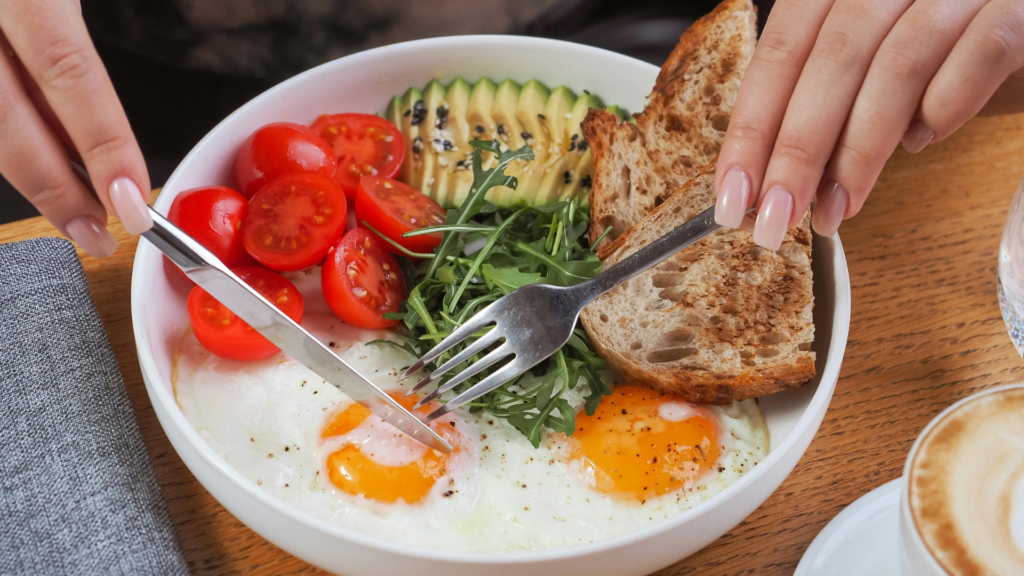
Another reason smaller menus are winning over larger ones in India is that they align better with evolving consumer values around health, sustainability, and mindful eating.
Large menus often include a wide range of dishes, some heavy, some repetitive, some unnecessary. This can lead diners toward over-ordering or choosing options that don’t align with their dietary preferences.
Smaller, structured menus allow restaurants to curate meals that are:
- Balanced and portion-appropriate
- Focused on seasonal ingredients
- Easier to pair with beverages
- Reflective of dietary niches (vegetarian, vegan, gluten-friendly)
In an era where diners care about what they eat and why they eat it, clarity and intentionality carry weight. A thoughtful menu becomes part of the restaurant’s brand story, showing that the establishment values quality over quantity.
How Smaller Menus Simplify Marketing and Discovery
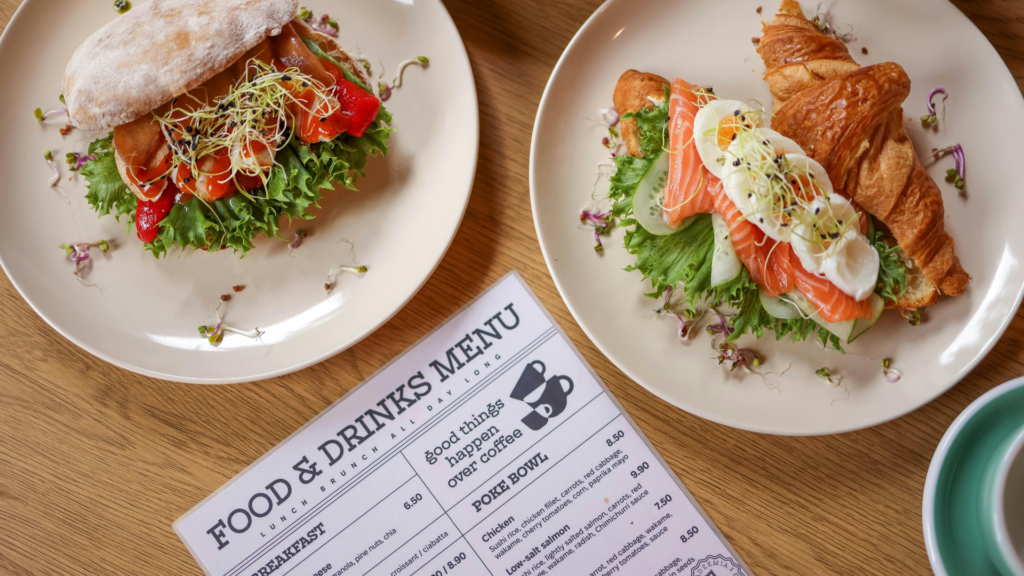
From an SEO and digital marketing standpoint, smaller, structured menus are easier to communicate and discover. When menus are lean and clear:
- Restaurant descriptions in search engines become tighter
- Social media content can highlight dishes individually
- Google Business Profiles can show key items clearly
- Reviews become more relevant and focused
Consider how people search for restaurants today. A user might type:
“Best small plates café in Pune” or
“Top plated breakfast spot near me”
These search behaviours favour restaurants with specific, described, structured offerings, not giant list menus that confuse both humans and search algorithms.
Cafés and restaurants with clear menus tend to rank better because searchable keywords like “small plates”, “smoothie bowls”, and “balanced mains” are easier to optimise.
Platesman, Bavdhan: Why Its Menu Structure Fits the Trend
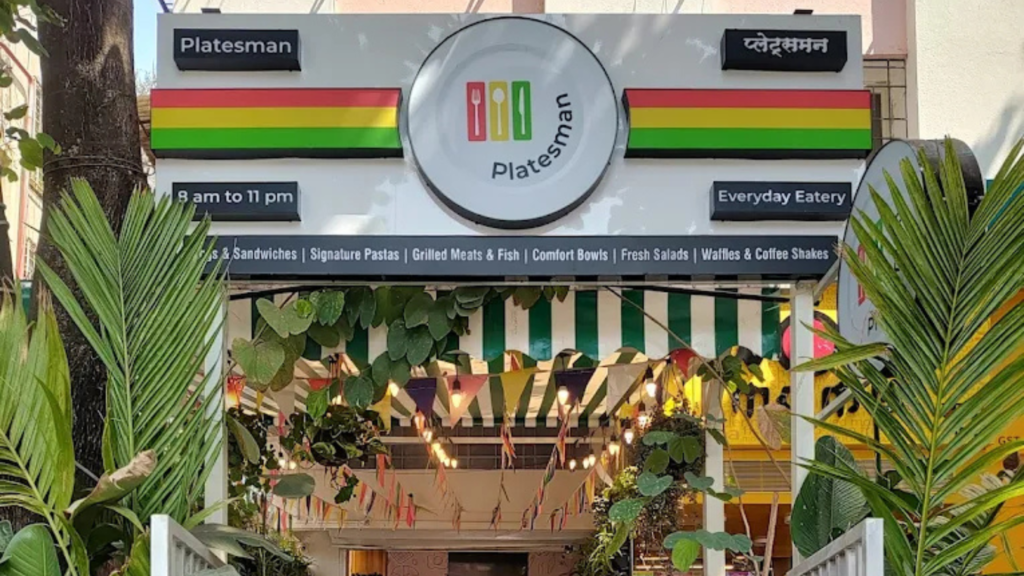
In Bavdhan, Pune, Platesman Everyday Eatery stands as a compelling example of how a smaller, well-structured menu can win over the sprawling menu approach.
Platesman positions itself as a modern comfort bistro, a place that feels familiar yet refined, relaxed yet well-put-together. Instead of an overwhelming choice, the menu is organised into clear categories that align with real eating moments:
- Breakfast
- Small Plates
- Big Plates
- Salads
- Open Toast & Sandwiches
- Naanza & Flatbreads
- Smoothie Bowls
- Pancakes
- Desserts
- Hot & Cold Beverages
Platesman’s approach is intentional. The menu isn’t enormous. But it does cover a wide range of diner moods and times of day. Each category has dishes that are described clearly, portioned thoughtfully, and prepared consistently a powerful combination in 2026.
How Platesman’s Menu Structure Supports Modern Dining Behaviour
Instead of forcing diners to scan endlessly, Platesman presents:
- Breakfast plates like Sunny Side Up and Masala Cheese Omelette are straightforward, easy decisions for early hours
- Small Plates that work for light bites or shared experiences
- Big Plates like Spaghetti Aglio Olio and Grilled Chicken Steak complete meals without overwhelming choice
- Salads and Bowls that appeal to health-minded diners
- Smoothie Bowls and Pancakes that bridge breakfast and snack time
- Desserts and Drinks designed to complement the meal rather than complicate it
By organising the menu this way, Platesman allows diners to choose confidently. There’s no paralysis from too many choices, and every dish has a reason for being there.
This structure also makes restaurant marketing stronger. Each category and menu item becomes a keyword-rich opportunity for search and social platforms, helping Platesman attract diners through both discovery and deliberate choice.
Practical Menu Philosophy for Indian Restaurants in 2026
Smaller menu success isn’t accidental. It is built on several converging factors:
- Consumer psychology: People prefer clarity over confusion
- Operational efficiency: Kitchens can master fewer dishes better
- Brand identity: Focused menus communicate confidence
- Search and discovery: Structured menus boost online visibility
- Customer experience: Fast decisions lead to more satisfied diners
In a market where competition is intense and choices are abundant, the restaurants that thrive are usually those that make dining simple, satisfying, and searchable.
The Future of Restaurant Menus in India
As we move further into 2026 and beyond, it’s likely that restaurants will continue refining their menus rather than expanding them indefinitely. Menus will become:
- More seasonal
- More descriptive
- More tied to specific dining moments
- More aligned with online discovery behaviours
Instead of quantity, menu success will come from curated experiences that respect the diner’s time, choice capacity, and expectations.
Large menus are not disappearing altogether. But for most casual and everyday dining spaces, cafés, bistros, and neighbourhood restaurants, smaller, structured menus are the smarter way forward.
Final Thoughts
The shift from large menus to smaller, structured ones is not a fad. It is a reflection of how modern Indian diners think, decide, and connect with food. Clarity, quality, confidence, and discoverability are the new currency in restaurant choice.
Restaurants that embrace this shift are not only simplifying decisions for diners but are also improving operations, marketing, and overall brand resonance.
As the success of Platesman and similar establishments shows, less truly can be more, especially when every item on the menu matters.


