
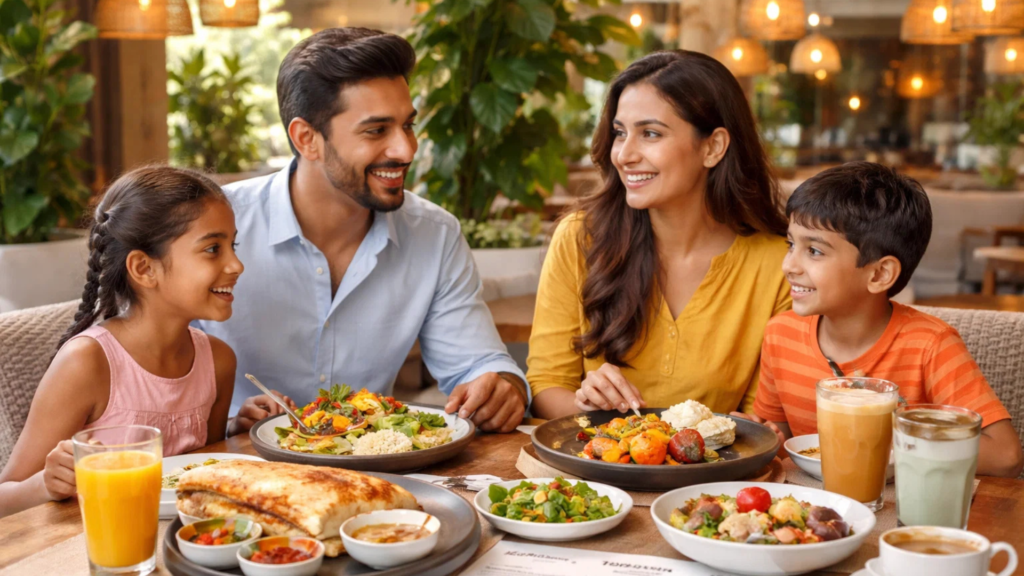
For decades, eating out in India carried a sense of occasion. Families visited restaurants to celebrate birthdays, anniversaries, promotions, or festive moments.
Dining out was something people planned in advance, dressed up for, and often reserved for weekends or special milestones.
But the way people interact with restaurants is changing. Across cities like Pune, Bengaluru, Mumbai, and Delhi, restaurants are increasingly becoming part of everyday routines rather than occasional celebrations.
Cafés, casual dining spaces, and neighbourhood bistros are seeing more frequent visits from people who simply want a comfortable meal or a place to pause during the day.
This shift toward “everyday dining” is not accidental. It reflects broader changes in lifestyle, work patterns, and consumer expectations that are reshaping India’s restaurant culture.
Before we go deeper, ask yourself a quick question:
When was the last time you went to a restaurant without it being a special occasion?
If the answer is “recently,” you’re already part of the trend.
The Changing Meaning of Dining Out in India

Dining out used to be tied to celebration. Restaurants were often associated with formal environments, larger menus, and heavier meals designed to impress. Over time, however, urban lifestyles began shifting.
Longer workdays, flexible schedules, and growing café culture have made restaurants more accessible. Instead of being destinations for rare celebrations, many eateries are now part of daily life.
People step into cafés before work, meet colleagues for lunch, grab dinner after errands, or simply stop by for a quick coffee.
This transformation mirrors broader changes in the food industry. Casual dining restaurants have become the fastest-growing segment in India’s organised restaurant sector, capturing nearly 48 percent of the market as consumers seek relaxed, accessible dining experiences.
In simple terms, restaurants are no longer only about celebration; they are about convenience and comfort.
Why Casual Dining Feels More Relevant to Modern Life

Modern diners want food experiences that match their lifestyle rather than interrupt it. Formal restaurants often require time, planning, and larger spending commitments, which may not fit into a busy weekday.
Casual dining, on the other hand, offers flexibility. These spaces provide a relaxed atmosphere where people can enjoy a meal without the pressure of formality.
Casual restaurants and cafés are designed to accommodate different types of visits, from quick lunches to long conversations with friends.
Consumers today are also seeking experiences beyond just food. They want spaces where ambience, service, and atmosphere contribute to the overall outing.
Research on the Indian restaurant industry shows that diners increasingly look for experience-focused environments rather than just meals.
This desire for experience explains why everyday dining spaces are thriving.
The Rise of Flexible Eating Habits
Another key factor behind the rise of everyday dining is the evolution of eating habits. Traditional meal routines, with three fixed meals at home, are becoming less rigid, particularly among younger generations.
Urban professionals and students now eat according to schedule flexibility rather than strict meal times. Breakfast might happen at a café on the way to work. Lunch may be shared with colleagues. Dinner could be a quick stop at a neighbourhood eatery.
Because of this shift, restaurants that support frequent visits with approachable menus and comfortable environments are becoming more popular.
Everyday dining spaces fit naturally into this pattern because they offer:
- meals that are not overly heavy or elaborate
- environments that feel relaxed rather than formal
- pricing that supports repeat visits
These qualities make restaurants feel less like an event and more like an extension of everyday life.
Social Dining Is Becoming More Spontaneous

Another reason everyday dining is gaining popularity is the way social interactions have changed. In earlier decades, group dining often required planning and coordination. Today, people meet more spontaneously.
Friends may decide to catch up over coffee after work, colleagues may step out for a quick lunch break, and couples may choose a casual dinner without much preparation.
Restaurants that embrace everyday dining culture thrive because they support this spontaneity. Instead of requiring reservations or structured dining experiences, they welcome drop-in visits and flexible orders.
Interestingly, spending on dining out is also rising significantly in India, with digital payments at restaurants increasing sharply as more people eat out regularly.
This rise reflects how restaurants have become part of routine spending rather than occasional indulgence.
Why Modern Diners Prefer Comfort Over Formality
The idea of luxury in dining has evolved. While fine dining still holds appeal for celebrations, many diners now value comfort, familiarity, and authenticity more than elaborate presentations.
People want spaces where they feel comfortable staying longer, working on laptops, or simply enjoying a relaxed meal. Restaurants that combine good food with calm environments often become regular spots rather than one-time destinations.
This preference explains the growing popularity of neighbourhood cafés and bistros that emphasise approachable menus, balanced meals, and welcoming interiors.
Platesman, Bavdhan: A Modern Example of Everyday Dining

In Bavdhan, Pune, Platesman Everyday Eatery reflects this shift toward everyday dining in a very clear way. Rather than positioning itself as a destination restaurant for special occasions, Platesman is built around the idea that good food should naturally fit into daily routines.
Platesman describes itself as a modern comfort bistro, a place where diners can enjoy thoughtfully plated meals without the complexity or formality associated with traditional restaurants. The environment encourages relaxed visits rather than rushed dining, making it suitable for quick breakfasts, casual lunches, or slow dinners.
One of the reasons Platesman works well in the everyday dining landscape is its menu structure. Instead of overwhelming diners with endless options, the menu is organised into clear categories such as breakfast, small plates, big plates, salads, smoothie bowls, and beverages.
This structure mirrors how people actually eat today. Someone might stop in for a simple breakfast plate before work, return later for a light lunch, or meet friends for dinner in the evening. The menu supports different moments of the day without forcing diners into a single dining style.
The dishes themselves also reflect the balance modern diners seek. Plates like pasta, grilled mains, salads, smoothie bowls, and open sandwiches offer variety without excessive complexity.
The emphasis remains on comfort, clarity, and consistency, qualities that define successful everyday dining spaces.
Because Platesman focuses on approachable food and a relaxed atmosphere, it naturally attracts professionals, families, and students looking for a reliable neighbourhood spot. Instead of being reserved for celebrations, it becomes part of regular dining habits.
Restaurants Are Becoming Part of Daily Life
The rise of everyday dining signals a deeper transformation in how people interact with restaurants. Instead of treating restaurants as rare experiences, diners are integrating them into everyday life.
Restaurants that adapt to this shift are designing spaces that encourage frequent visits. Smaller menus, balanced meals, and comfortable seating all support longer stays and repeat customers.
At the same time, the restaurant industry itself is evolving rapidly, influenced by urbanisation, global food exposure, and changing consumer expectations.
These changes are creating a dining culture where flexibility and comfort matter just as much as culinary creativity.
The Future of Everyday Dining in India

Looking ahead, the concept of everyday dining is likely to become even more prominent. As cities grow and work patterns continue evolving, people will increasingly rely on neighbourhood eateries for both convenience and social interaction.
Restaurants will continue refining their menus, designing spaces that encourage longer stays, and focusing on experiences that feel approachable rather than exclusive.
Special occasion restaurants will still have their place. Celebrations will always call for memorable dining experiences. But for most people, the restaurant they visit most often will not be the fanciest one in the city.
It will be the one that fits naturally into their everyday life.
A New Chapter in India’s Dining Culture
The shift from special-occasion dining to everyday dining reflects how Indian society itself is evolving. People are busier, more mobile, and more open to flexible lifestyles than ever before.
Restaurants are adapting to meet these expectations by becoming more welcoming, more practical, and more integrated into daily routines.
Spaces like Platesman show that the future of dining is not just about impressive meals. It is about creating environments where food, comfort, and everyday life come together seamlessly.
In many ways, the restaurants people return to most often are the ones that feel the most effortless.


